
UNESCO · Babil
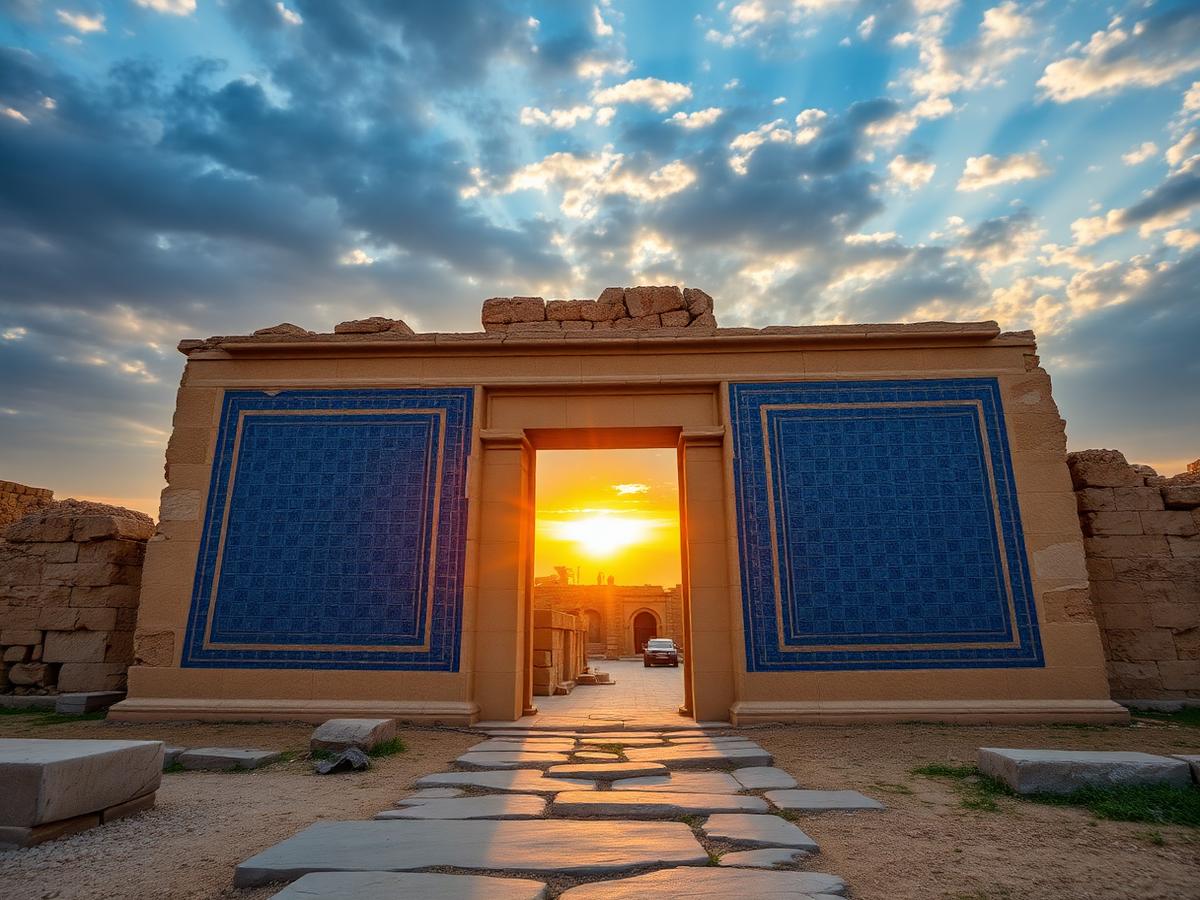
Ruins of Babylon
The reconstructed Ishtar Gate, Processional Way, and the outline of the Hanging Gardens — 90 minutes from Baghdad.
Writing was invented here. So were cities, law, astronomy, and the wheel. In 2026, Iraq's heritage sites are more accessible — and more moving — than at any time in a generation.
The reconstructed Ishtar Gate, Processional Way, and the outline of the Hanging Gardens — 90 minutes from Baghdad.
The best-preserved Sumerian ziggurat, 4,100 years old. Climb the restored staircase at sunrise for the light Abraham may have known.
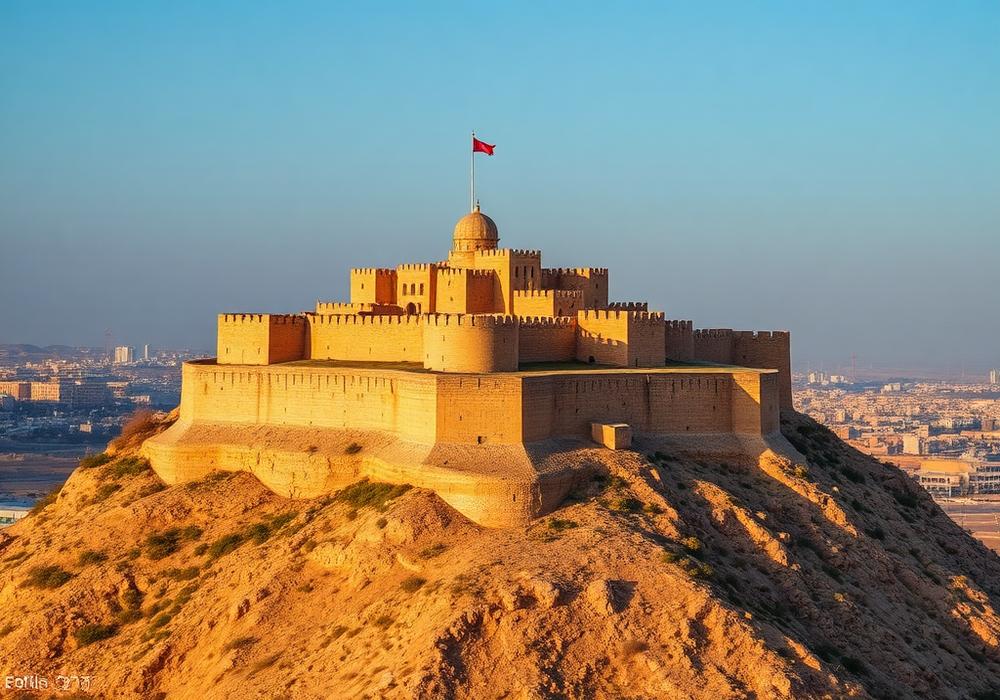
Continuously inhabited for over 6,000 years. Wander the restored Ottoman quarter and the Textile Museum inside the walls.
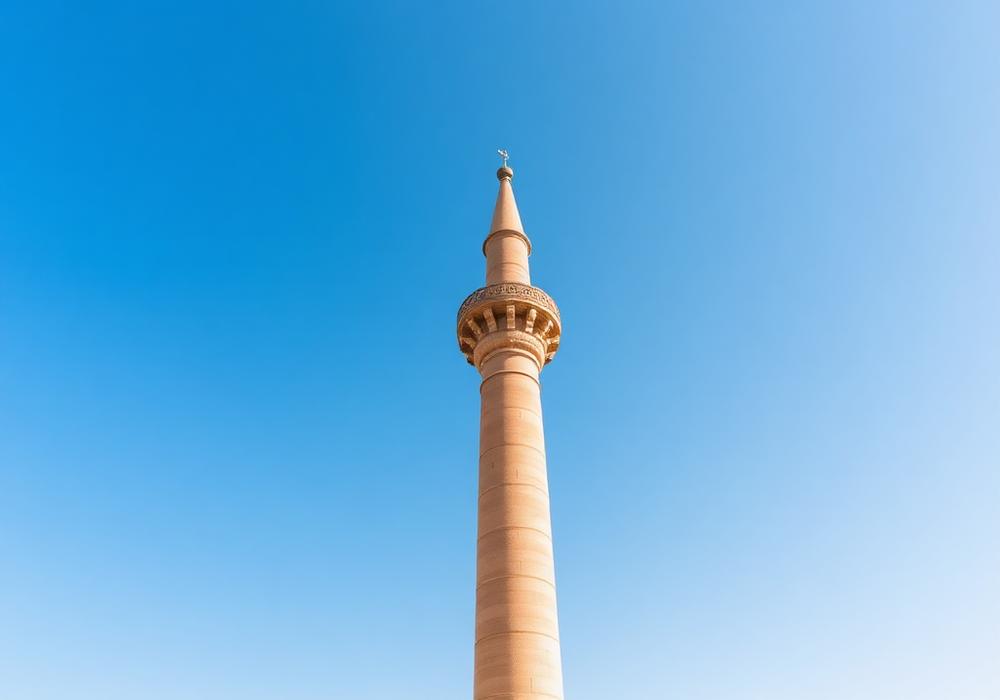
The 9th-century spiral Malwiya of the Great Mosque — 52 metres of sandstone corkscrewing into a cobalt sky.
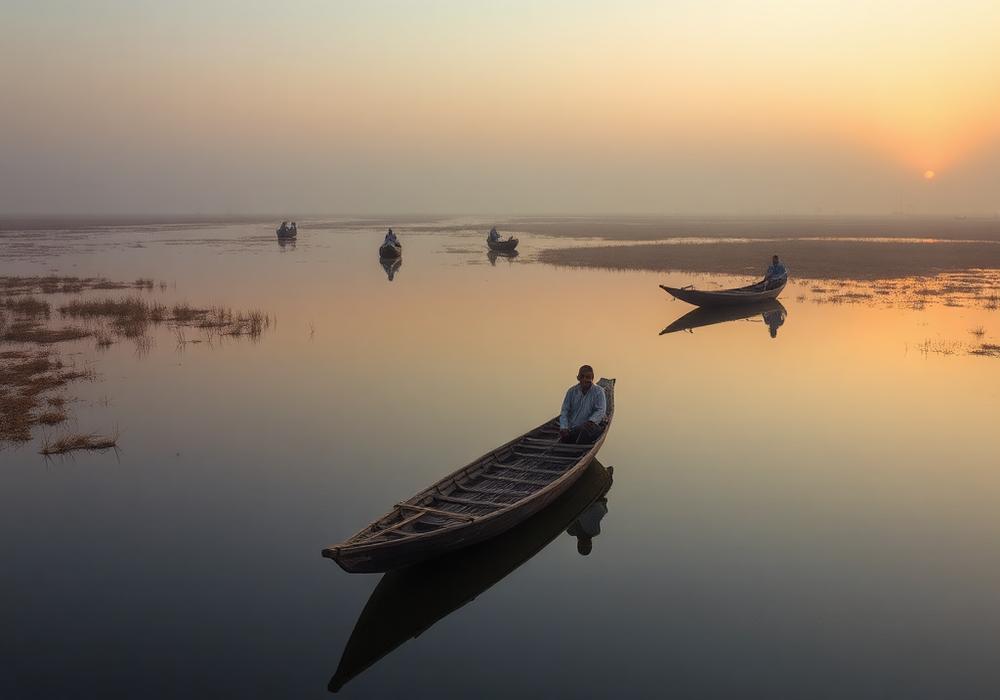
Reed-woven mudhif guesthouses and canoe mornings among the Ma'dan people — the biblical Eden, still inhabited.
A Parthian caravan city ringed by walls that once turned back Roman legions. Reopening progressively for organised tours.
The largest single-span brick arch on Earth — a 1,400-year-old Persian throne hall rising from the desert 35 km south of Baghdad.
Sennacherib's ancient capital across the river from Mosul, with the guardian lamassu of the Nergal Gate being painstakingly restored.
The 9th-century BC palace of Ashurnasirpal II. Recently reopened after conservation of its winged-bull reliefs.
Iraq's Green Tourism Corridors connect Baghdad's airport to Babylon, Karbala, Najaf, Samarra and — via Erbil — the north. Every route on this map is currently serviced by certified guides and vetted transport.
Beyond the UNESCO headliners: mountain towns, monasteries, marsh villages, and the world's oldest cities — places where you'll often be the only visitor.
A 3,000-year-old town balanced on a flat-topped mesa in the Zagros. Sunrise from the Mosul Gate is one of Iraq's great views.
Iraq's Grand Canyon along the Hamilton Road — a 1930s British-engineered mountain drive with cable cars over the falls.
The spiritual heart of the Yazidi faith. Visitors walk barefoot past the cone-spired shrine of Sheikh Adi in a hushed, cypress-shaded ravine.
A cliffside Assyrian Christian village above the plain, home to a newly restored synagogue said to hold the prophet Nahum's tomb.
Founded in 363 AD, one of the oldest surviving Christian monasteries in the world, clinging to a mountainside above the plains of Mosul.
The largest cemetery on Earth — 1,400 years of tombs stretching to the horizon. Best walked at dusk with a local historian.
Sleep in a traditional reed mudhif, glide through waterways in a mashuf canoe, and share cardamom coffee with Ma'dan families.
The world's first true city — where writing was invented. Vast, empty, and almost never visited: pure Sumerian desert archaeology.
The oldest city on Earth according to Sumerian kinglists. A quiet ziggurat mound where civilization is said to have descended from heaven.
Latticed wooden balconies over the canals of the 'Venice of the East' — a slow restoration is bringing this Ottoman quarter back to life.
Iraq's highest peaks and its first national park. Alpine meadows, wild irises, and multi-day treks with Kurdish mountain guides.
By evening, families picnic under fairy lights while the Qaysari bazaar below the citadel hums with tea houses and coppersmiths.